

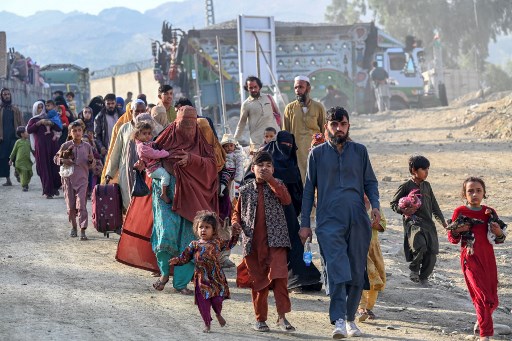
Afghan refugees continue to face a multitude of challenges as they grapple with the ongoing humanitarian crisis in their homeland and the complexities of resettlement in host countries. Despite the international community’s efforts to provide assistance, many refugees remain trapped in precarious situations, lacking access to basic necessities, healthcare, and educational opportunities.
In Afghanistan itself, the Taliban takeover in 2021 has exacerbated the already dire situation. The country’s economy has collapsed, unemployment has soared, and poverty has reached unprecedented levels. These conditions have forced many Afghans to seek refuge in neighboring countries, further straining the resources of these host communities.
Pakistan, Iran, and Tajikistan bear the brunt of the Afghan refugee crisis, hosting millions of individuals who have fled their war-torn country. These host countries are struggling to cope with the influx of refugees, facing challenges in providing adequate housing, food, sanitation, and healthcare.
In addition to the immediate hardships of displacement, Afghan refugees also face long-term challenges in integrating into their host communities. Language barriers, cultural differences, and a lack of legal status often hinder their ability to access employment, education, and healthcare.
The international community has pledged billions of dollars in aid to address the Afghan refugee crisis, but these funds have often failed to reach those in need. Corruption, bureaucratic hurdles, and a lack of coordination among aid agencies have hampered the effectiveness of the humanitarian response.
Despite these challenges, there are glimmerings of hope amidst the despair. Refugee resettlement programs have provided some Afghans with the opportunity to rebuild their lives in safer environments. Education programs are also making a difference, empowering refugees to develop the skills and knowledge they need to thrive in their new homes.
As the Afghan refugee crisis enters its fifth decade, the international community must remain committed to providing support and protection to those who have been forced to flee their homes. By working together, we can help alleviate the suffering of Afghan refugees and build a more just and equitable world for all.
 echoesofearthmedia.news.blog